Why is vaccination important, including the COVID-19 vaccination?
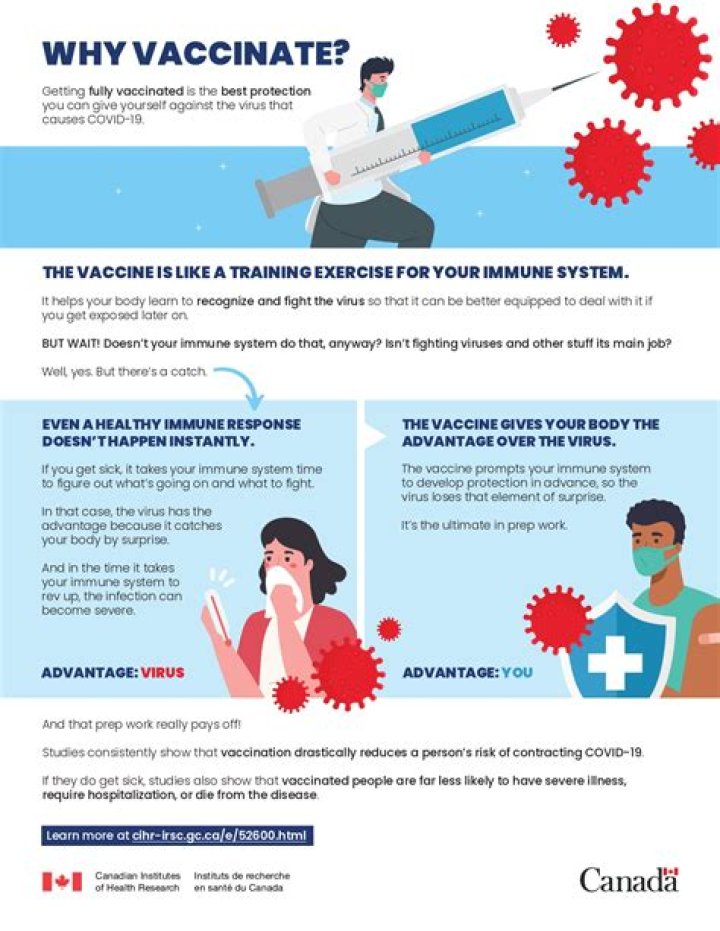
Vaccination is a safe and effective way to prevent disease and save lives. When we get vaccinated, we do not just protecting ourselves, but also those around us. Some people, like those who are seriously ill, are advised not to get certain vaccines – so they depend on the rest of us to get vaccinated and help reduce the spread of disease.
How will South Africa make sure that the COVID-19 vaccines we use are safe?
The Department of Health will work with the South African Health Products Regulatory Authority (SAHPRA) to ensure that whichever vaccine being recommended or made available through the COVAX Facility has met all the regulatory requires of safety, efficacy, and quality.
How do vaccines work, including the COVID-19 vaccine?
See full answerVaccines train your immune system to create antibodies, just as it does when it is exposed to a disease. When you get a vaccine, your immune system responds. It:
- recognises the invading germ, such as the virus or bacteria
- produces antibodies. Antibodies are proteins produced naturally by the immune system to fight disease
- remembers the disease and how to fight it. If you are then exposed to the germ in the future, your immune system can quickly destroy it before you become unwell.
What is “herd immunity”, given the context of the COVID-19 pandemic?
See full answerWhen a person gets vaccinated against a disease, their risk of infection is also reduced – so they are far less likely to spread the disease to others. As more people in a community get vaccinated, fewer people remain vulnerable, and there is less possibility for passing the germ on from person to person. Lowering the possibility for a germ to circulate in the community protects those who cannot be vaccinated due to other serious health conditions from the disease targeted by the vaccine. This is called “herd immunity.”“Herd immunity” exists when a high percentage of the population is vaccinated, making it difficult for infectious diseases to spread, because there are not many people who can be infected. But herd immunity only works if most people are vaccinated.
Who in South Africa will be vaccinated first for COVID-19?
The WHO’s Strategic Advisory Group of Experts (SAGE) has provided recommendations about which populations within a country should be prioritised first. These include frontline healthcare workers at high risk of infection, older adults, and those people at high risk of death because of underlying conditions like heart disease and diabetes. In the second phase of the roll-out, as more doses are produced, vaccines should go to groups less at risk of being infected of suffering badly.
Does South Africa have a strategy to distribute the COVID-19 vaccines once we receive them?
Yes. The Ministerial Advisory Committee on COVID-19 Vaccines has been developing a strategy for the implementation of a COVID-19 vaccination rollout. This strategy will include a review of available resources, services delivery platforms, and the required investment to ensure a successful administration to the selected priority groups. Collaboration between the private and public health sectors will be key to the successful implementation of this life-saving intervention.
Is it safe to take paracetamol before receiving the COVID-19 vaccine?
Taking painkillers such as paracetamol before receiving the COVID-19 vaccine to prevent side effects is not recommended. This is because it is not known how painkillers may affect how well the vaccine works.
How many people in South Africa can be vaccinated with the first batch of COVID-19 vaccines?
The first vaccines that South Africa will receive can vaccinate 10 per cent (roughly six million people) of the population. The country’s membership in the COVAX facility ensures that South Africa receives its equitable share of the vaccines as it becomes available.
How will the COVID-19 vaccines be allocated to different countries?
Once any of the COVAX vaccines have successfully undergone clinical trials and are proved to be both safe and effective, and have received regulatory approval, available doses will be allocated to all participating countries at the same rate, proportional to their total population size.No country will receive enough doses to vaccinate more than 20 per cent of its population until all countries in the COVAX group have been offered this amount.
Can the virus spread through food items?
The Coronaviruses is spread from person-to-person through respiratory droplets. Currently there is no evidence to support transmission of COVID-19 associated with food. Before preparing or eating food it is important to always rinse the food with water and wash your hands with soap and water for 20 seconds for general food safety.
What should I do if I am at higher risk of getting the virus?
If you are at higher risk of getting the virus, you should take everyday precautions to keep space between yourself and others. When you go out, try to avoid unnecessary contact, non-essential travel and exposure to others who are sick. Wash your hands often, avoid crowds and if there is an outbreak in your community, consider staying home and limiting contact to essential people.